


-

Add: HeBei ShengShi HongBang Cellulose Technology CO.,LTD.
-

Email
13180486930@163.com -

CONTACT US
+86 13180486930

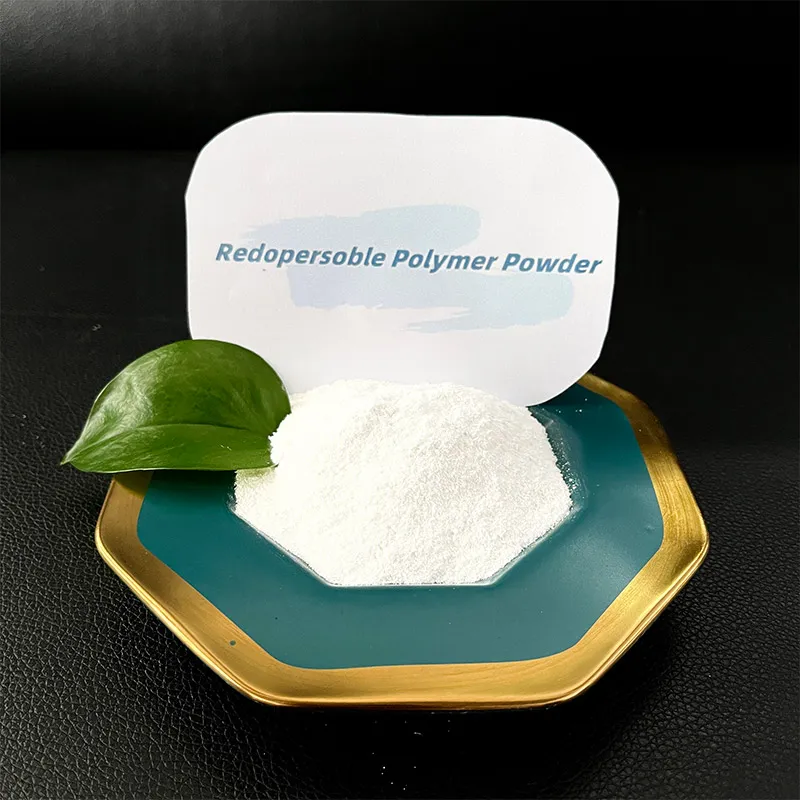
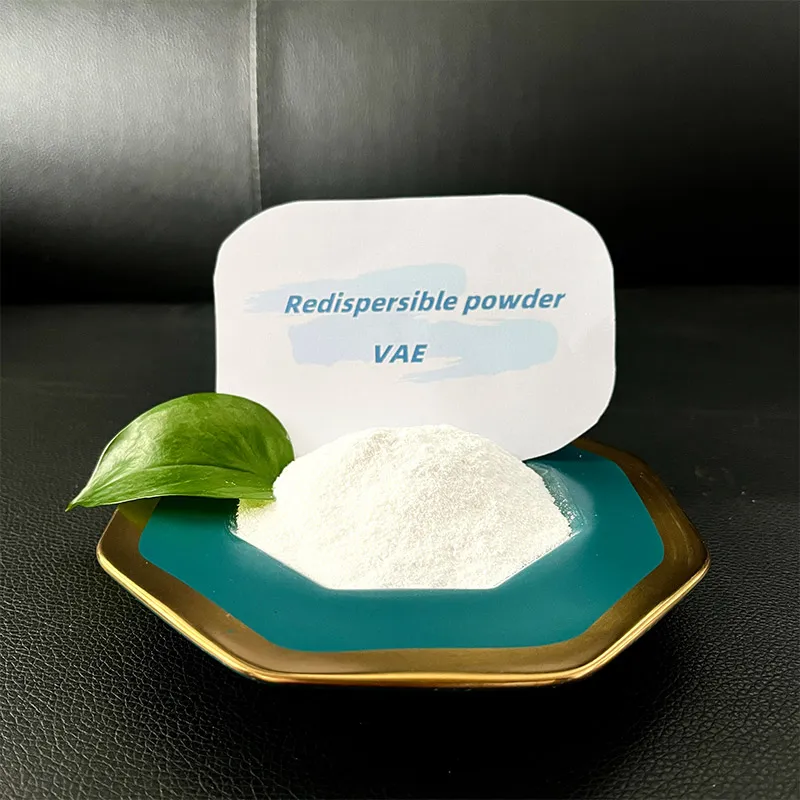



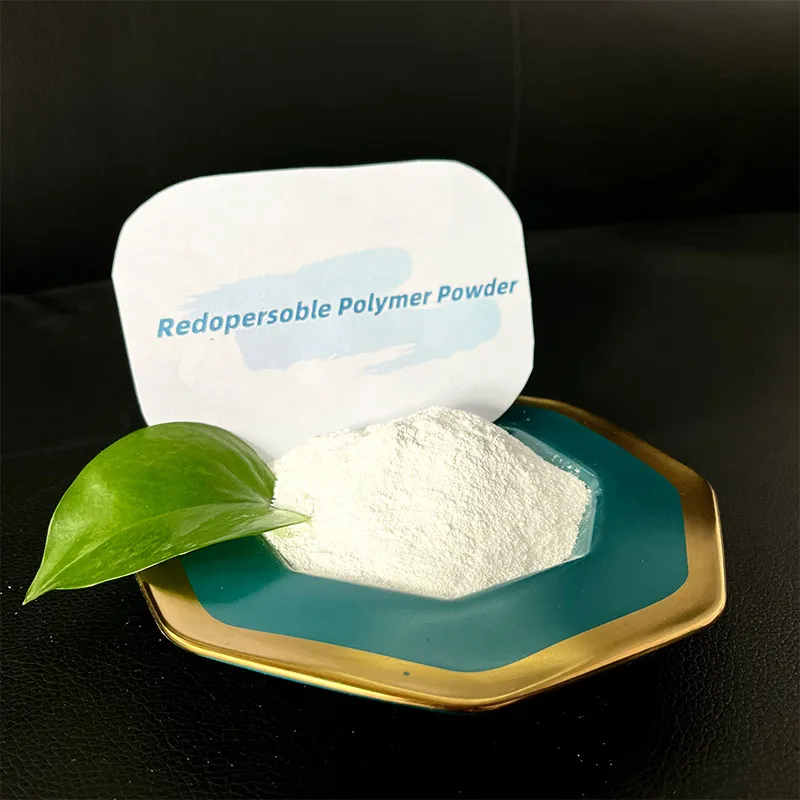
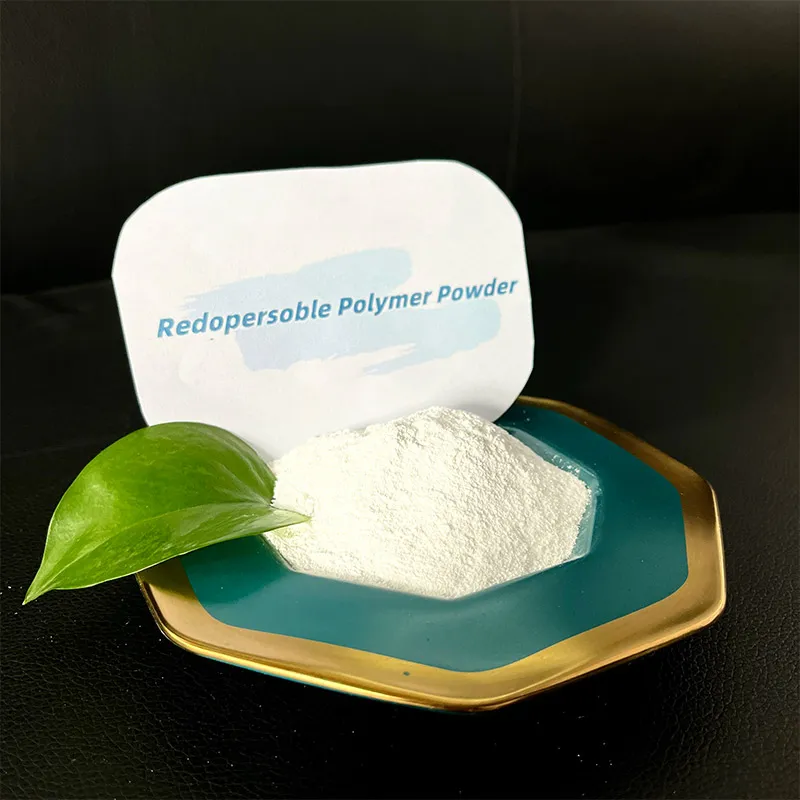
Polymer powder is a key ingredient in many industries, providing critical properties to products in construction, adhesives, coatings, and more. With its wide range of applications, polymer powder enhances the performance, durability, and flexibility of finished products. Available in various forms, polymer powder s can be tailored to meet the specific needs of different applications, making them a versatile choice for manufacturers worldwide. Whether you're working in construction, paints, or textiles, polymer powder offers the ideal solution for improving your products’ functionality. Explore Our Range of Colored Polymer Powder If you need vibrant, long-lasting colors in your products, colored polymer powder is the way to go. Whether you're producing construction materials, decorative coatings, or consumer goods, colored polymer powder offers an efficient way to introduce rich, stable colors into your products. Our premium colored polymer powder is designed to maintain its brightness and consistency, ensuring your products stand out. With a wide selection of shades, you can achieve the exact color you need while maintaining high quality and performance. The Benefits of Redispersible Polymer Powder Redispersible polymer powder is a game-changer in many industrial applications. Unlike traditional resins, redispersible polymer powder can be re-dispersed in water to create a solution, which offers greater convenience and efficiency for various processes. Widely used in adhesives, tile grout, and plaster, redispersible polymer powder enhances bonding strength, flexibility, and durability. This type of polymer powder is particularly valued in the construction and building materials sectors, providing superior performance while reducing transportation and storage costs. Discover the many benefits of using redispersible polymer powder in your formulations today. What Influences Polymer Powder Price? When considering polymer powder price , it’s important to understand the factors that affect the cost. The polymer powder price can vary depending on the type of polymer used, the quantity purchased, and the specific application for which the powder is intended. High-performance polymer powder may be priced higher due to its specialized formulations, while larger orders typically reduce the cost per unit. Additionally, polymer powder price can also depend on the presence of additives, colorants, and whether the polymer powder is customized for particular applications. To ensure you're getting the best value for your needs, always consider both the performance and the cost-effectiveness of the polymer powder price . Why Choose Our Polymer Powders for Your Business? Our polymer powder products are crafted with the highest standards of quality and performance, ensuring that your manufacturing processes run smoothly. From colored polymer powder to redispersible polymer powder , we offer a comprehensive selection that suits a wide variety of industries. Our polymer powder solutions are designed to enhance the quality of your final products, increase production efficiency, and offer cost-effective solutions for your business. With competitive polymer powder price s, we guarantee the best value for your investment. Whether you need a specialized formula or a standard polymer powder , our products are the perfect addition to your production line. Polymer Powders FAQs What is polymer powder? Polymer powder is a fine, dry material made from polymers, typically used in various industrial applications to improve the properties of products like adhesives, coatings, and construction materials. It is valued for its ability to enhance flexibility, strength, and durability in the final product. Polymer powder can come in different types, such as colored polymer powder or redispersible polymer powder , each serving specific functions depending on the industry. What is colored polymer powder used for? Colored polymer powder is primarily used to add vibrant colors to products such as construction materials, coatings, and consumer goods. The color pigments are stable and long-lasting, ensuring that the final product maintains its color over time, even under challenging conditions. It’s ideal for applications where both color and performance are important, making it perfect for industries like construction, automotive, and packaging. What is redispersible polymer powder and how is it used? Redispersible polymer powder is a special type of polymer powder that can be re-dispersed in water, forming a solution that can be easily applied in a variety of industrial processes. It’s commonly used in adhesives, tile grouts, and plaster, where it improves bonding strength, flexibility, and water resistance. The ability to re-dispense the polymer powder in water makes it a more convenient and cost-effective solution for many manufacturing processes. How does the polymer powder price vary? The polymer powder price depends on several factors, including the type of polymer used, the quantity purchased, and whether any special additives or colors are involved. Specialty redispersible polymer powder sand colored polymer powder s often come at a higher price due to their advanced formulations. Additionally, larger volume purchases can reduce the polymer powder price per unit, offering better cost-effectiveness for bulk orders. Why should I choose your polymer powders? Our polymer powder sare craftedto meet the highest standards of quality, ensuring that your products perform at their best. We offer a wide selection of colored polymer powder s and redispersible polymer powder s, all designed to enhance the durability, flexibility, and performance of your products. Our polymer powder price is competitive, offering you the best value for your investment. Whether you’re in construction, coatings, or any other industry, we have the perfect polymer powder solution for you.
- 40000tons

Production
- 20+years

Experience
- 5000+㎡

Acreage

-
HPMC Monograph Your Comprehensive Guide to Understanding Hydroxypropyl Methylcellulose in Product Formulation Hydroxypropyl Methylcellulose (HPMC) is an essential ingredient in a vast array of industries, from pharmaceuticals to food production, and even household products. With its remarkable versatility and properties, HPMC has become a crucial component for formulators across the globe. This monograph aims to unravel the complexities of HPMC, offering insights based on experience, expertise, and research-backed authority to enhance understanding and trust in its application. HPMC A Multifaceted Polymer HPMC belongs to the class of cellulose ethers, produced through the chemical modification of cellulose, the most abundant biopolymer on Earth. Adding hydroxypropyl and methyl groups to cellulose results in HPMC, a polymer renowned for its solubility in cold water, film-forming abilities, and non-toxic nature. These characteristics make it an invaluable excipient in product formulations. Applications Across Industries 1 . Pharmaceuticals In drug formulation, HPMC plays a pivotal role as a controlled-release agent, binder, and film-coating material. Its ability to form viscous solutions and gels helps maintain drug stability and enhance bioavailability. These properties are crucial for developing both generic and brand-name medications, ensuring consistent therapeutic effects. 2. Food Industry As a food additive, HPMC serves as a thickener, stabilizer, and emulsifier. It is commonly found in products like baked goods, sauces, and low-calorie foods. Its heat and pH stability ensure that textures remain desirable in various culinary applications, offering an enhanced eating experience. 3. Construction Materials In the construction sector, HPMC is utilized in tile adhesives, cement mixtures, and exterior wall coatings. Its water retention and adhesive properties enhance the workability of these materials, providing durable and efficient building solutions. 4. Cosmetics and Personal Care HPMC is used for its film-forming and thickening properties in products such as shampoos, lotions, and creams. It enhances the texture and stability of these formulations, contributing to a positive consumer experience. Expert Insight The Science Behind HPMC's Functionality hpmc monograph The utility of HPMC in various applications is fundamentally linked to its molecular structure and interaction with other formulation components. The degree of substitution and molecular weight of HPMC can be tailored to meet specific application needs. Researchers and product developers must consider viscosity grades and solubility profiles to optimize the performance of HPMC in their formulations. Studies have demonstrated the superior film-forming capabilities of HPMC, noting its resilience and flexibility, which are critical factors in ensuring long-term functionality. Additionally, HPMC's bioadhesive properties make it an excellent candidate for mucoadhesive drug delivery systems, further expanding its versatility in pharmaceutical applications. Building Trust Through Quality and Compliance Ensuring the quality and safety of HPMC is paramount to maintaining trust and authority in its usage. Leading manufacturers adhere to strict regulatory standards, including those set by the FDA and EMA, to ensure that HPMC products meet pharmaceutical, food-grade, and industrial criteria. Regular audits, quality control measures, and adherence to GMP (Good Manufacturing Practice) guidelines are essential to maintaining the credibility of HPMC suppliers. For formulators, choosing a reliable supplier with a proven track record in compliance can significantly impact the success of a product. Sustainability and Future Directions As industries emphasize sustainable practices, the role of biopolymers like HPMC becomes increasingly important. Derived from renewable resources, HPMC aligns with the global shift towards eco-friendly and sustainable product solutions. Innovations in production processes aim to reduce environmental impact while enhancing the efficiency and functionality of HPMC in various applications. Future research may focus on the development of HPMC blends and composites, unlocking new functionalities and expanding its usability across different sectors. By continually pushing the boundaries of what HPMC can achieve, industries can leverage this versatile polymer to drive innovation and meet evolving consumer demands. In conclusion, the HPMC monograph provides a thorough understanding of this essential ingredient, highlighting its multifaceted applications, expert insights into its functionality, and its alignment with quality and sustainability standards. By advancing knowledge and expertise in HPMC, formulators can enhance their product offerings with confidence and effectiveness.
-
Understanding the Properties of Hydroxypropyl Methylcellulose Hydroxypropyl methylcellulose (HPMC) is a widely used polymer in various industries, including pharmaceuticals, food, cosmetics, and construction. This cellulose derivative is obtained through the modification of natural cellulose with hydroxypropyl and methyl groups, which enhances its solubility and utility. Understanding the properties of HPMC is crucial for its effective application in different formulations. Chemical Structure and Composition HPMC is a non-ionic, water-soluble polymer. Its chemical structure consists of a cellulose backbone with hydroxypropyl and methyl groups attached. The proportion of these substituents can be varied during synthesis, leading to HPMC products with different viscosity and gel-forming properties. The degree of substitution affects many characteristics, including solubility, thermal stability, and mechanical properties. Physical Properties One of the most significant physical properties of HPMC is its solubility in water. HPMC can dissolve in cold water, forming a transparent, viscous solution. The ability to form gels at higher concentrations is another notable characteristic. The viscosity of HPMC solutions can vary widely based on its molecular weight and concentration, which can be tailored to meet specific requirements in various applications. Typically, HPMC is available in grades that provide a range of viscosities that suit different needs, from low viscosity for easy flow to high viscosity for thicker formulations. Thermal Stability HPMC exhibits excellent thermal stability, making it suitable for processing conditions that involve high temperatures. It does not decompose easily under heat, which is important for applications such as hot-melt adhesives and coatings. The thermal behavior of HPMC can be further enhanced with additives, allowing for more versatile applications across various industries. Rheological Properties The rheological properties of HPMC solutions are of great interest, particularly in the pharmaceutical and food industries. HPMC behaves as a pseudoplastic or shear-thinning material, meaning that its viscosity decreases with an increase in shear rate. This property is advantageous during processing, as it allows for easier application and handling without compromising the formulation's final performance. When at rest, the polymer's viscosity increases, providing stability to the product. hydroxypropyl methylcellulose properties Role in Pharmaceutical Applications In the pharmaceutical industry, HPMC is commonly used as a binder in tablet formulations, as well as a disintegrant and controlled-release agent. Its ability to form gels and slow down drug release makes it highly valuable in developing extended-release formulations. HPMC is also utilized in the production of film coatings for tablets due to its film-forming properties, which provides a barrier to moisture and light, ultimately protecting the active ingredients inside. Applications in Food and Cosmetics HPMC is recognized for its emulsifying and thickening properties, allowing it to be widely used in food processing. It can enhance texture, stabilize emulsions, and improve the mouthfeel of various food products. In the cosmetic industry, HPMC is used as a thickening agent in creams and lotions, contributing to improved texture and stability. Biocompatibility and Safety HPMC is considered safe for use in food and pharmaceutical products. It is generally recognized as safe (GRAS) by the Food and Drug Administration (FDA), making it ideal for various applications. Its biocompatibility extends to being used in medical applications, such as in contact lenses and surgical products. Environmental Impact and Sustainability HPMC is derived from renewable cellulose, which adds to its appeal in an increasingly sustainability-focused market. Researchers are exploring additional eco-friendly production methods and applications to reduce the environmental footprint associated with conventional polymers. As industries strive for greener alternatives, HPMC stands out as a promising candidate due to its natural origins and biodegradability. Conclusion Hydroxypropyl methylcellulose is a versatile polymer with a wide range of properties that make it suitable for various applications across different industries. Its diverse functional characteristics, such as solubility, viscosity, thermal stability, and safety profile, highlight its importance in formulations from pharmaceuticals to food and cosmetics. As technology advances and the demand for sustainable materials grows, HPMC is poised to remain a key player in many sectors, offering innovative solutions that cater to modern needs. Understanding its properties allows industries to harness its potential effectively, making it an invaluable material in contemporary applications.
advantages
-

200000 Viscosities
Excellent product
We can produce pure products up to 200,000 viscosities
-

40000 tons
High yield
We don’t stop production all year round, and the annual output can reach 40,000 tons
-

24 hours
Quality service
We provide 24-hours online reception service, welcome to consult at any time
———— Inquiry Form
Schedule A services
-
 hydroxypropyl_methyl_cellulose_uses
Oct . 25, 2025
Rubber powder, an increasingly significant material in various industrial applications, exhibits uni -
 hydroxypropyl_pea_starch
Oct . 25, 2025
Hydroxypropyl methylcellulose, commonly abbreviated as HPMC, is a pivotal compound in various indust -
 redispersible_latex_powder
Oct . 25, 2025
Innovative material engineering is transforming industrial textiles, and strategic blending of fibre


